91ԭ

Get to know 91ԭ

5 CRITICAL elements for high patient engagement in Digital Health products that guide patients through care journeys

November 19, 2024
By
Seamless

Today we are giving away 5 of our best kept secrets for designing Digital Health products to achieve high patient engagement.

1. Brand personalization

Seeing your health system’s logo and physician’s portrait makes it clear this digital experience is carefully vetted by the patient’s care team. 

This creates trust and increases adherence.

2. Condition-specific patient experience

For example, with a pregnancy, we have a special pop up that shows the patient the size of the fetus relative to a fruit/vegetable.

That attention to detail creates an engaging, curated experience for patients.

The personalized approach needs to extend to how you think about the clinical content embedded throughout the entire care journey.

This gets high clinician buy-in which in turn leads to high patient engagement.

3. Personalized to a patient’s demographics and medical history

Patients usually get overwhelmed with lots of unnecessary, irrelevant information because it’s easier for the care team to just give patients a standardized pile of papers… but that means a lot of instructions don’t get followed.

Instead, use technology to only serve up relevant patient education.

For example: use branching logic to only deliver smoking cessation education to patients who are smokers… and leave it out if they’re not.

4. Clinically-specific health status tracking and symptom monitoring

Collecting vital signs and basic symptom data (e.g. pain) is table stakes.

You’ll get way more clinician and patient buy-in when you layer on additional data that is particularly important for each surgical procedure or health condition.

For example: have specific interactive tracking for how far a knee can stretch or bend for patients who are recovering from a knee replacement surgery.

5. Automated self-care guidance

We find that 80% of symptoms or issues a patient records on our platform are not serious enough to require a call or visit with a provider… BUT they need the right self-management right away otherwise the patient may need to reach out for help.

So create algorithms where evidence-based education is automatically served up to patients for low-risk issues that can be handled at home.

For example: if a patient reports post-surgical constipation (very common!), automatically provide them with evidence-based, self-care education on how to manage and prevent constipation.

Want to do all of this faster and at scale?

If you’re looking for a partner to do exactly this, 91ԭ enables health systems to digitize patient care journeys with automated reminders, education and symptom monitoring - leading to lower length of stay, readmissions and costs.

Our customizable, pre-built library covers 150+ surgical procedures and health conditions across pre/post-surgery, chronic care, oncology, maternity care, pop health and more. We’ve learned from 12+ years and hundreds of thousands of patients how to achieve high patient engagement and improved clinical outcomes.
To learn more, take a product tour here.

5 CRITICAL elements for high patient engagement in Digital Health products that guide patients through care journeys

Posted by:
Seamless
on
November 19, 2024

Today we are giving away 5 of our best kept secrets for designing Digital Health products to achieve high patient engagement.

1. Brand personalization

Seeing your health system’s logo and physician’s portrait makes it clear this digital experience is carefully vetted by the patient’s care team. 

This creates trust and increases adherence.

2. Condition-specific patient experience

For example, with a pregnancy, we have a special pop up that shows the patient the size of the fetus relative to a fruit/vegetable.

That attention to detail creates an engaging, curated experience for patients.

The personalized approach needs to extend to how you think about the clinical content embedded throughout the entire care journey.

This gets high clinician buy-in which in turn leads to high patient engagement.

3. Personalized to a patient’s demographics and medical history

Patients usually get overwhelmed with lots of unnecessary, irrelevant information because it’s easier for the care team to just give patients a standardized pile of papers… but that means a lot of instructions don’t get followed.

Instead, use technology to only serve up relevant patient education.

For example: use branching logic to only deliver smoking cessation education to patients who are smokers… and leave it out if they’re not.

4. Clinically-specific health status tracking and symptom monitoring

Collecting vital signs and basic symptom data (e.g. pain) is table stakes.

You’ll get way more clinician and patient buy-in when you layer on additional data that is particularly important for each surgical procedure or health condition.

For example: have specific interactive tracking for how far a knee can stretch or bend for patients who are recovering from a knee replacement surgery.

5. Automated self-care guidance

We find that 80% of symptoms or issues a patient records on our platform are not serious enough to require a call or visit with a provider… BUT they need the right self-management right away otherwise the patient may need to reach out for help.

So create algorithms where evidence-based education is automatically served up to patients for low-risk issues that can be handled at home.

For example: if a patient reports post-surgical constipation (very common!), automatically provide them with evidence-based, self-care education on how to manage and prevent constipation.

Want to do all of this faster and at scale?

If you’re looking for a partner to do exactly this, 91ԭ enables health systems to digitize patient care journeys with automated reminders, education and symptom monitoring - leading to lower length of stay, readmissions and costs.

Our customizable, pre-built library covers 150+ surgical procedures and health conditions across pre/post-surgery, chronic care, oncology, maternity care, pop health and more. We’ve learned from 12+ years and hundreds of thousands of patients how to achieve high patient engagement and improved clinical outcomes.

To learn more, take a product tour here.

Recent news from 91ԭ

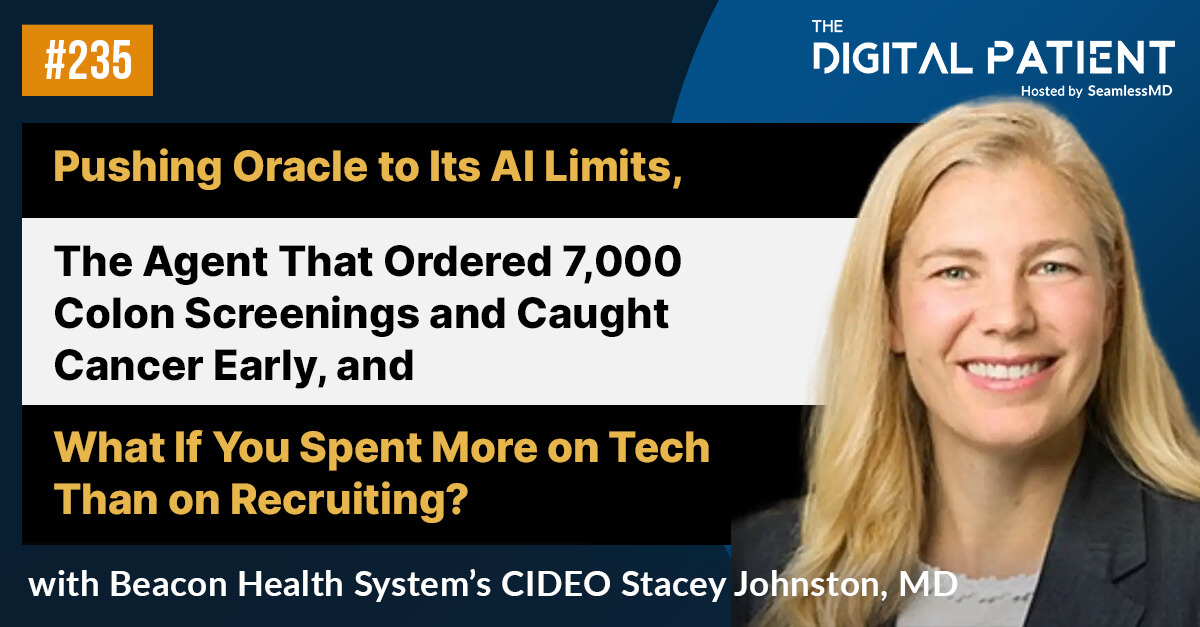
235: Beacon's CIDEO Dr. Stacey Johnston: Pushing Oracle to Its AI Limits, The Agent That Ordered 7,000 Colon Screenings and Caught Cancer Early, and What If You Spent More on Tech Than on Recruiting?
August 20, 2026

235: Beacon's CIDEO Dr. Stacey Johnston: Pushing Oracle to Its AI Limits, The Agent That Ordered 7,000 Colon Screenings and Caught Cancer Early, and What If You Spent More on Tech Than on Recruiting?

Learn More
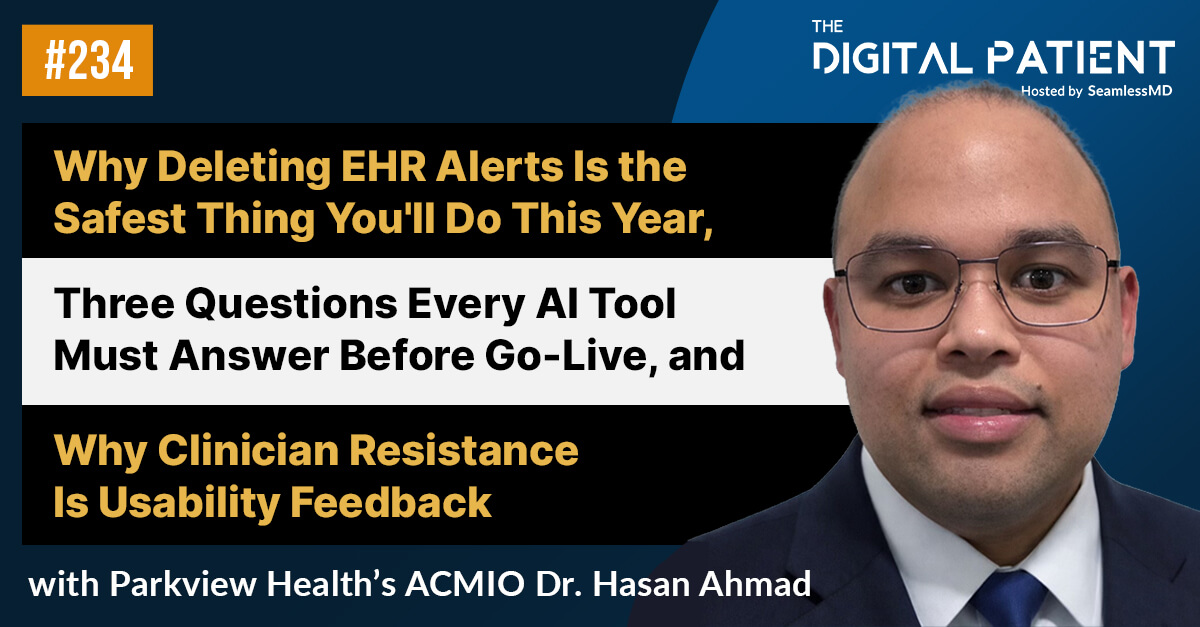
234: Parkview's ACMIO Dr. Hasan Ahmad: Why Deleting EHR Alerts Is the Safest Thing You'll Do This Year, Three Questions Every AI Tool Must Answer Before Go-Live, and Why Resistance Is Usability Feedback
August 13, 2026

234: Parkview's ACMIO Dr. Hasan Ahmad: Why Deleting EHR Alerts Is the Safest Thing You'll Do This Year, Three Questions Every AI Tool Must Answer Before Go-Live, and Why Resistance Is Usability Feedback

Learn More
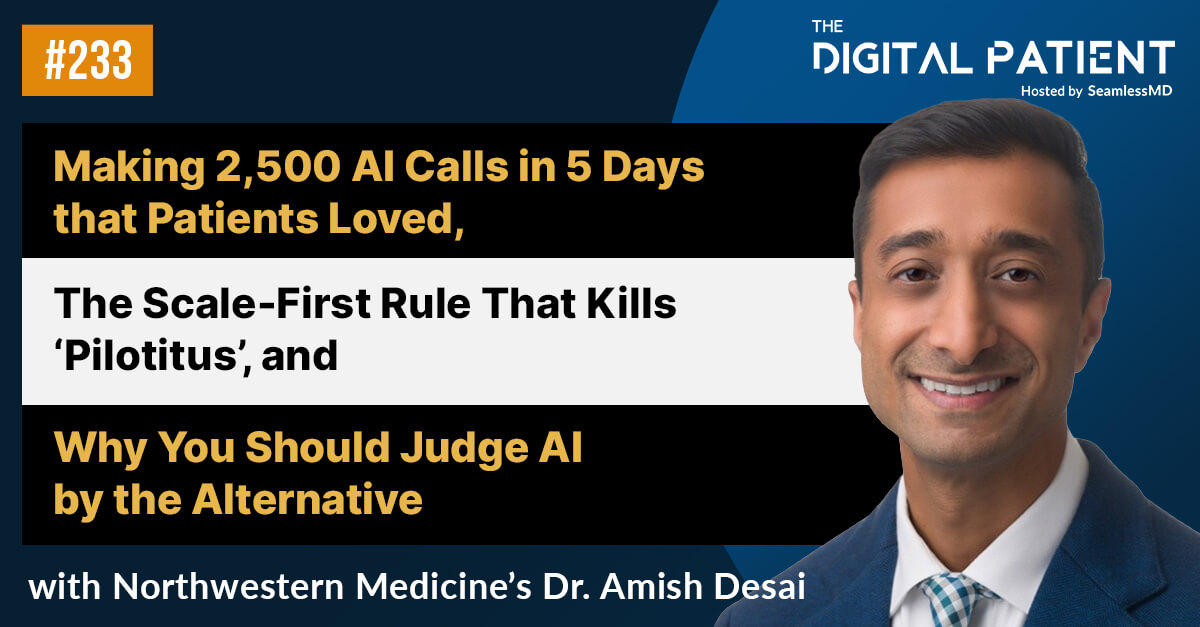
233: Northwestern's CMO, Pop Health Dr. Amish Desai: Making 2,500 AI Calls in 5 Days that Patients Loved,  The Scale-First Rule That Kills Pilotitus, and Why You Should Judge AI by the Alternative
July 23, 2026

233: Northwestern's CMO, Pop Health Dr. Amish Desai: Making 2,500 AI Calls in 5 Days that Patients Loved,  The Scale-First Rule That Kills Pilotitus, and Why You Should Judge AI by the Alternative

Learn More